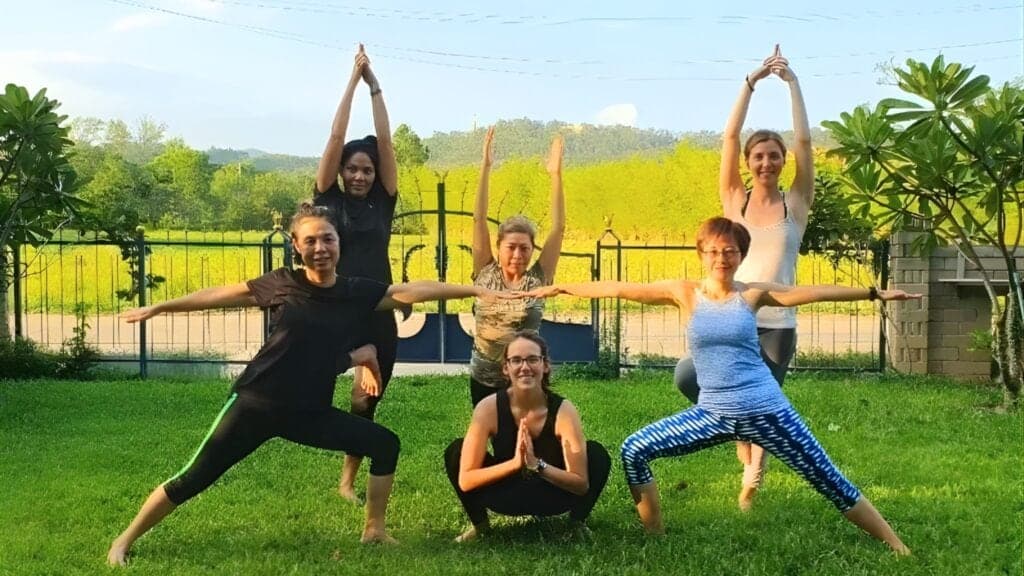
Chiang Mai's climate splits into three distinct seasons that need three different packing approaches: cool season (November-February, fleece weather), hot season (March-May, bare minimum clothing), and rainy season (June-October, rain layers required). Plus burning season (February 15-April 30) needs N95 masks regardless of temperature. Pack to the actual season you're visiting, not to the generic "tropical Thailand" assumption.
What's actually different about Chiang Mai's climate?
Chiang Mai sits at 300m elevation in a mountain valley — cooler than Bangkok by 3-8°C year-round, with sharp seasonal swings. Cool season nights can be genuinely cold by tropical standards. Burning season adds an air-quality dimension other Thai cities don't have.
The temperature pattern through the year:
The headline implications for packing: bring a real warm layer for December-January, expect rain in afternoons during monsoon, and plan for serious heat in April.
What should I pack for November-February (cool season)?
The most comfortable Chiang Mai season needs the most diverse wardrobe: shorts and t-shirts for daytime city, plus a fleece or light jacket for evening, plus an actual warm layer for high-elevation morning tours.
The cool-season packing list:
- Daytime city wear. Light t-shirts, shorts or light trousers. Cotton or linen. Daytime temps 22-30°C — perfectly pleasant.
- Evening layer. Long-sleeve shirt or light fleece. Restaurant air conditioning runs cold; evenings in December-January drop to 15-18°C in the city.
- Warm layer for high-elevation tours. Light packable down jacket or merino long-sleeve. Doi Suthep dawn is ~10°C; Doi Inthanon summit pre-dawn is ~5°C. If your trip includes a full-day Doi Inthanon and Kew Mae Pan trek, the early-start version is exactly where you'll want that layer.
- Long pants for temples and evenings. One pair of loose comfortable trousers serves both temple visits and cool evenings.
- Sandals + closed shoes. Sandals for daytime walking; closed shoes for cool evenings and motorbike rides.
Cool season is also peak season — bookings fill up, hotel prices spike, and the Loy Krathong festival (mid-November typically) is the cultural highlight. Pack one nicer outfit for festival photos and dinners.
What should I pack for March-May (hot season, plus burning)?
Hot-season packing is minimal but specific: light loose breathable fabrics, sun protection, AND burning-season masks for the air-quality overlap. The heat is brutal; pack to manage it.
| Item | Hot season importance | Notes |
|---|---|---|
| Loose breathable shirts (cotton/linen) | Critical | Avoid synthetic fabrics that don't breathe |
| Wide-brim hat or cap | Critical | Sun is intense — UV index 11+ regularly |
| Sunscreen SPF 50+ | Critical | Reef-safe formulations cost double in Chiang Mai |
| N95 or KN95 masks | Critical Feb 15-Apr 30 | Bring 5-10; can buy more locally |
| Refillable water bottle | Critical | Heat means high water intake |
| Light long-sleeve sun shirt | Useful | For midday sun on long outdoor days |
| Lightweight long trousers (one pair) | Useful | Temples + sun protection |
| Quick-dry travel towel | Useful | For waterfall and pool days |
Songkran (April 13-15) needs special mention: the city-wide water fight means everything you wear that week will get soaked. Pack a quick-dry outfit specifically for Songkran days and a dry bag for your phone. Leave your nice watch and leather shoes at the hotel.
If you're visiting March 15-April 15 specifically, also pack: eye drops (smoke irritation), throat lozenges, and possibly an air-quality monitor watch if you're respiratory-conscious.
What should I pack for June-October (rainy season)?
Rain layers and waterproof bags. Rainy-season Chiang Mai is warm and humid with reliable afternoon storms — pack to stay dry rather than warm.
The rainy-season packing approach:
- Lightweight rain shell or poncho. A packable rain jacket beats an umbrella in wind. The Decathlon Forclaz packable rain shell (~฿800 in Chiang Mai) is widely-recommended.
- Quick-dry clothing. Synthetic blends or merino dry faster than cotton when you do get caught in the rain. Cotton stays wet for hours.
- Sandals with grip. Tevas, Chacos, or Keens. Flip-flops slip on wet tiles and the Old City's slick limestone gets dangerous.
- Dry bag (5-10L). Phone, wallet, passport go in here when storms hit. Sea-to-Summit ultra-light dry bags pack to nothing.
- Microfiber towel. For drying off after the inevitable storms.
- Mosquito repellent. DEET-based or picaridin-based. Mosquitoes peak in rainy season. Bring some, buy more locally if needed.
The rain pattern is forgiving: most storms are 30-60 minute heavy bursts in the afternoon, often followed by clear evenings. Plan outdoor activities for mornings, indoor for afternoons.
What clothes do I need for temples?
One temple-compliant outfit per person. Shoulders covered, knees covered, no transparent fabric. The same outfit covers all major temples and the monk-chat programmes.
Specific guidance:
- For women: loose long pants or maxi skirt (knee-length+) + short-sleeve or 3/4-sleeve top. A light scarf or shawl to throw over shoulders works for tank tops worn elsewhere. Yoga pants and athletic leggings: technically borderline, sometimes refused at the more conservative temples. A loose trouser is safer.
- For men: long trousers or knee-length+ shorts + short-sleeve shirt. No singlets, no muscle tank-tops. T-shirts with graphic prints are fine unless they're sexually explicit or insult Buddha.
- For all: shoes off entering any indoor temple space. Wear footwear that slips on/off easily.
Doi Suthep, Wat Phra Singh, Wat Chedi Luang, and other major Old City temples enforce dress codes at the entrance. A guided Doi Suthep temple and Hmong village tour is a good first temple day to pack that one compliant outfit for. They'll lend you a wrap-skirt if you're under-dressed, but the lent fabric is rarely freshly laundered. Bring your own.
What's specific to elephant sanctuary days?
A change of clothes for after bathing, water shoes or sandals, sun protection, and modest physical capability (the day involves 30-60 minutes of walking).
Elephant-day packing list:
- Clothes you don't mind getting wet/muddy. Most ethical camps include a bathing session where the elephant gets washed in a river or pond. You will get splashed. The half-day Karen hill tribe elephant sanctuary experience and similar small-group days all involve close river contact.
- Spare set of dry clothes. For the drive back. The sanctuary will usually have an outdoor changing area.
- Water shoes or grippy sandals. River bathing means wet rocks. Flip-flops slip.
- Sun hat and sunscreen. Sanctuaries are usually in shaded valleys but morning and afternoon sun reaches you.
- Bug repellent. Insect-heavy valley locations.
- Camera (not just phone). Smartphone is fine; many guests bring a better camera for the closer shots.
- Cash for tips. Mahouts work hard. ฿100-฿200 per mahout is appreciated.
What NOT to bring: anything you can't afford to get muddy. Light-coloured clothes will be stained by red Thai dirt by lunchtime.
What do most travellers forget?
Battery packs, dry bags, masks (during burning season), proper walking sandals, and a basic medicine kit. None of these are critical-availability issues in Chiang Mai but having them on arrival saves time.
The forgetting pattern:
- Battery pack/power bank. Long-day tours mean phone use throughout the day. 10,000-20,000 mAh is plenty.
- Small dry bag. Useful for waterfalls, elephant bathing, motorbike rides, and rainy-season storms. Take up no packing space.
- N95 masks. Bring 5-10 if visiting during burning season. Available locally but stocked out occasionally during peak smoke weeks.
- Walking sandals (Tevas/Chacos). Most travellers bring flip-flops + sneakers. A grippy sandal is more versatile than either.
- Medicine kit. Loperamide (Imodium) for stomach issues, paracetamol/acetaminophen, antihistamines, motion sickness pills, plus any prescriptions. Western-style pharmacies are everywhere but stocking up beforehand saves you searching at 11pm.
What about a security/scams kit?
Money belt or hidden pouch for passports, a cheap "decoy" wallet for daily carry, a notes app with hotel address in Thai script, and an offline-capable maps app downloaded before arrival.
Chiang Mai is genuinely safe — violent crime against tourists is rare and petty theft is at the lower end of major-Asian-city averages. The scams are mostly low-stakes (tuk-tuk overcharging, gem shop scams, dual pricing). Practical pack-list:
- Hotel address in Thai script. Many drivers don't read English place names. Have the address in Thai on your phone notes or printed on the hotel card.
- Offline Google Maps download. Download Chiang Mai's offline maps before arriving. SIM cards are cheap (฿299 for 30 days/50GB) but you might land before activating one.
- Backup credit card stored separately from main wallet. Standard travel advice.
- Passport copy on phone. And one printed copy in your luggage.
Skip: traveller's cheques (obsolete), money belts worn visibly (defeats the purpose), elaborate "anti-pickpocket" backpacks (overkill for Chiang Mai).
How does this change for digital nomads on long stays?
Adjust for laptop-protection and indoor-work setup: surge protector with multiple ports, ergonomic accessories (compact keyboard or vertical mouse), and the ability to layer clothes for over-air-conditioned cafes.
The Chiang Mai cafe AC is aggressively cold. Long-stay digital nomads consistently complain about always wanting a light hoodie indoors and shorts outdoors. Pack accordingly.
Other long-stay specifics:
- Surge protector. Thai power is generally clean but occasional brownouts happen. A small surge protector for laptop charging is cheap insurance.
- Compact mechanical keyboard or ergonomic mouse. If your work involves long typing sessions.
- Workout clothes. Gyms and yoga studios are widely available. Pack one set if exercise matters to you.
- Lock for backpack. Cafes are generally safe but laptop theft happens. A small cable lock for desk-mode is sensible.
Further reading worth your time:
- Best time to visit Chiang Mai by month
- Chiang Mai temple etiquette: the rules that aren't on the sign
- Burning season Chiang Mai: dates, air quality, whether to come
External references: Thai Meteorological Department's Chiang Mai climate page for seasonal temperature and rainfall data, and Travel Health Pro Thailand for the UK NHS travel-health recommendations. Both accessed 2026-04-10.
Frequently asked questions
Do I need a fleece or warm layer?
Yes, if you're visiting December through early February. Chiang Mai's cool season nights drop to 10-15°C at city elevation, and high-elevation morning tours (Doi Suthep, Doi Inthanon) can hit 5°C at dawn. A light fleece or a packable down jacket plus long pants is plenty. Outside cool season, no warm layer is needed — May through October daytime lows rarely go below 22°C. The mistake we see most often is travellers from Bangkok assuming Chiang Mai's climate matches and packing only shorts.
Is a rain jacket necessary?
Necessary June-October, useful April-May and November. The rainy-season rain is the warm tropical type — typically 30-60 minute heavy bursts in the afternoon rather than all-day drizzle. A packable lightweight rain shell or a poncho works better than a heavy waterproof. Locals carry travel umbrellas; many travellers find a hooded rain shell more practical for walking. December through March is reliably dry except for occasional pre-burning-season storms; you can skip the rain layer for short December-January trips.
Do I need a mask for burning season?
Yes — if you're coming February 15 through April 30, bring or plan to buy N95 or KN95 masks for the bad days. Surgical masks and cloth masks don't filter PM2.5 particles. 3M Aura 9332 masks are widely available at Boots and pharmacies for ฿80-฿150 each. Bring 3-5 if you have a specific brand that fits well. The bad-air days are clustered in late March; if you're visiting outside that window, masks are optional. Outside burning season, the air is good and masks aren't needed for AQI reasons.
What's temple-appropriate clothing?
Shoulders covered, knees covered, no transparent fabric. Tank tops, spaghetti straps, short shorts (above mid-thigh), and crop tops will all get you turned away at the entrance of any major temple. The easiest packing solution: bring one outfit per person that meets temple dress code (loose long pants or maxi skirt + short-sleeve t-shirt) and wear normally outside temple visits. Many temples will lend wrap-skirts or shawls if you're under-dressed, but it's slow and the lent fabric is rarely freshly laundered.
What do most travellers forget to pack?
Five things consistently: a small dry bag for waterfall and elephant-bathing days, an N95 mask if visiting during burning season, a battery pack (Thai outlets work fine but day-trip charging matters), comfortable walking sandals that handle wet, and a basic medicine kit (loperamide for stomach issues, paracetamol, antihistamines, motion sickness pills). Western pharmacies are everywhere in Chiang Mai but stocking up before you go saves the hunt when you need them at 11pm. Mosquito repellent is also forgettable but available locally.
Should I bring a power adapter?
Yes, but a simple two-prong Europlug adapter is sufficient — Thai outlets accept European, American flat-blade, and Australian-style plugs in most cases, but UK three-prong plugs need an adapter. The voltage is 220V/50Hz. Modern laptop and phone chargers handle this automatically. Avoid hair-dryers and curling irons rated only for US 110V — they'll burn out. A universal adapter with USB-A and USB-C ports built in is the cleanest single solution.
Frequently asked questions
Do I need a fleece or warm layer?
Yes, if you're visiting December through early February. Chiang Mai's cool season nights drop to 10-15°C at city elevation, and high-elevation morning tours (Doi Suthep, Doi Inthanon) can hit 5°C at dawn. A light fleece or a packable down jacket plus long pants is plenty. Outside cool season, no warm layer is needed — May through October daytime lows rarely go below 22°C. The mistake we see most often is travellers from Bangkok assuming Chiang Mai's climate matches and packing only shorts.
Is a rain jacket necessary?
Necessary June-October, useful April-May and November. The rainy-season rain is the warm tropical type — typically 30-60 minute heavy bursts in the afternoon rather than all-day drizzle. A packable lightweight rain shell or a poncho works better than a heavy waterproof. Locals carry travel umbrellas; many travellers find a hooded rain shell more practical for walking. December through March is reliably dry except for occasional pre-burning-season storms; you can skip the rain layer for short December-January trips.
Do I need a mask for burning season?
Yes — if you're coming February 15 through April 30, bring or plan to buy N95 or KN95 masks for the bad days. Surgical masks and cloth masks don't filter PM2.5 particles. 3M Aura 9332 masks are widely available at Boots and pharmacies for ฿80-฿150 each. Bring 3-5 if you have a specific brand that fits well. The bad-air days are clustered in late March; if you're visiting outside that window, masks are optional. Outside burning season, the air is good and masks aren't needed for AQI reasons.
What's temple-appropriate clothing?
Shoulders covered, knees covered, no transparent fabric. Tank tops, spaghetti straps, short shorts (above mid-thigh), and crop tops will all get you turned away at the entrance of any major temple. The easiest packing solution: bring one outfit per person that meets temple dress code (loose long pants or maxi skirt + short-sleeve t-shirt) and wear normally outside temple visits. Many temples will lend wrap-skirts or shawls if you're under-dressed, but it's slow and the lent fabric is rarely freshly laundered.
What do most travellers forget to pack?
Five things consistently: a small dry bag for waterfall and elephant-bathing days, an N95 mask if visiting during burning season, a battery pack (Thai outlets work fine but day-trip charging matters), comfortable walking sandals that handle wet, and a basic medicine kit (loperamide for stomach issues, paracetamol, antihistamines, motion sickness pills). Western pharmacies are everywhere in Chiang Mai but stocking up before you go saves the hunt when you need them at 11pm. Mosquito repellent is also forgettable but available locally.
Should I bring a power adapter?
Yes, but a simple two-prong Europlug adapter is sufficient — Thai outlets accept European, American flat-blade, and Australian-style plugs in most cases, but UK three-prong plugs need an adapter. The voltage is 220V/50Hz. Modern laptop and phone chargers handle this automatically. Avoid hair-dryers and curling irons rated only for US 110V — they'll burn out. A universal adapter with USB-A and USB-C ports built in is the cleanest single solution.