Chiang Mai in November is the best month of the year for most travellers — dry, 22 to 30°C, clear skies, the Yi Peng lantern festival peaks November 24 to 26 in 2026, and the back half of the month is the cleanest air you'll get all year. The catch is the festival-week price spike. Book the first two weeks for value, or the festival days specifically for the lanterns. Below is the November trip-planning rundown.
Why is November the highest-payoff month?
Three things align: rainy season has ended, daytime temperatures have dropped 4 to 6°C from October, and burning-season air pollution is still 2 to 3 months away.
Chiang Mai's calendar has a clean structure for trip planning. October is the tail of the wet season — daily afternoon rain, lush green countryside, 80% humidity. November flips a switch around the first week: rains ease, humidity drops, skies clear. The clarity is striking if you've come from a tropical city. You can see Doi Suthep clearly from the Old City, which isn't always true in March.
By the back half of November the air quality is at its annual minimum for PM2.5, the temperature has dropped to genuinely pleasant levels for walking (22 to 28°C daytime, 14 to 18°C overnight), and the burning that affects Feb–April is months away. December is also excellent but trends warmer in the south wind. November is the rare month where every weather variable lines up.
What are the November weather numbers?
Daytime 25 to 30°C, overnight 14 to 18°C, humidity 55 to 65%, rainfall around 30mm for the month — mostly the first week.
November is good by Chiang Mai standards but not by global. For travellers from clean-air cities (Vancouver, Sydney, Stockholm) it'll still feel smoggier than home. For Bangkok or Delhi visitors, notably cleaner.
When exactly is Yi Peng in 2026?
Yi Peng peaks November 24 to 26, 2026. Full moon falls November 24. Activities run from the 23rd through the 27th, with the big lantern releases on the 24th and 25th.
The dates shift each year on the Thai lunar calendar (12th-month full moon = Tuesday November 24 in 2026). Approximate schedule:
- Nov 21–23. Build-up. Lanterns in shop windows, krathong vendors setting up.
- Nov 23. Yi Peng opening at Tha Phae Gate. Lantern parade.
- Nov 24 (full moon). Loy Krathong evening. Floating krathongs on the moat and Ping River.
- Nov 25. Yi Peng main night. Mass sky-lantern releases. Mae Jo university event (the Insta-famous one).
- Nov 26. Tail end.
Mae Jo is ticketed, sells out months ahead. Old City krathong launching is free. Sky lanterns inside the Old City are tightly regulated now — legal releases at sanctioned spots (Three Kings, Tha Phae, riverside zones).
Yi Peng vs Loy Krathong — what's the difference?
Loy Krathong is the nationwide water festival (float a flower-candle basket). Yi Peng is the northern Thai sky-lantern festival. Same weekend, different elements.
- Loy Krathong ("loy" = float). Celebrated everywhere in Thailand. Banana-leaf raft, candles, incense, launched on water at full moon.
- Yi Peng ("yi" = two, "peng" = full moon). Northern Thailand specific. Paper sky lantern (khom loi) released into the night sky.
Most travellers do both.
Where should I actually stay in November?
Old City for the festival weeks (you'll walk to most events), Nimman if you're prioritising cafés over festival access, Riverside if you want a quieter base 10 minutes from town.
| Area | Festival access | Typical hotel range | Nov noise level |
|---|---|---|---|
| Old City (inside moat) | Excellent — walk to Tha Phae, Three Kings | ฿1,800–฿4,500 | Loud during festival, quiet otherwise |
| Nimman | Songthaew or 20-min walk to Tha Phae | ฿2,000–฿5,000 | Moderate — café energy |
| Riverside (Wat Ket) | 5-min taxi to Tha Phae, river access for krathong launch | ฿2,200–฿5,000 | Quiet, even in festival week |
| Mae Rim resorts | 30-min drive each way | ฿4,000–฿14,000 | Quiet — too far for night walks |
| Santitham | 10-min walk to Tha Phae | ฿1,200–฿3,000 | Quiet |
If you specifically want to float a krathong on the river yourself rather than just watch one, Wat Ket Karam temple on the east bank of the Ping has a tradition of small-scale unofficial launches and is walking distance from many Riverside hotels.
How crowded is festival week really?
Hotels 90%+ occupancy. Restaurants reservation-only or 30+ minute waits. Songthaew fares spike. Tha Phae Gate and Iron Bridge become wall-to-wall on peak nights.
Yi Peng is the busiest week of the Chiang Mai calendar. Hotel rates 50 to 80% higher than non-festival November. If you're crowd-averse, book the first two weeks and skip the festival entirely — weather is identical, prices 40% lower. If you want Yi Peng, book six months ahead.
What's the trip-planning sweet spot for November?
First two weeks for weather without crowds. Festival days (Nov 23 to 26 in 2026) for lanterns. Last week for the cleanest air and the pre-December calm.
Three options:
- Value-weather (Nov 4 to 11). Best value-per-day. Quiet, cool, dry, normal pricing. Book 30 days out.
- Festival immersion (Nov 22 to 27). Yi Peng + Loy Krathong. Book 4 to 6 months ahead. 50%+ hotel premium.
- Pre-December calm (Nov 28 to Dec 4). Quietest week of high season. Prices haven't spiked.
For most travellers with date flex, option 1 wins. Weather is indistinguishable from festival week.
What's December like by comparison?
Warmer, drier, more crowded, more expensive. December is still excellent, but the gap between December and November is the gap between "very good" and "best."
December edges November on guaranteed sunshine (essentially 0 rain days vs November's 4 to 6). It loses on overall crowd density (Christmas and New Year are extreme bottlenecks), price (peak-season rates), and the lantern festival.
Any November-specific tours?
Yes — lantern-making, krathong-crafting, and Yi Peng evening tours. Concentrated in festival week.
- Lantern-making. Make your own khom loi. ฿400 to ฿800, 90 minutes.
- Krathong workshops. Banana-leaf krathong from scratch. ฿300 to ฿600, 60 minutes.
- Yi Peng evening tours. Guided through Tha Phae parade and Iron Bridge launching. ฿800 to ฿2,000.
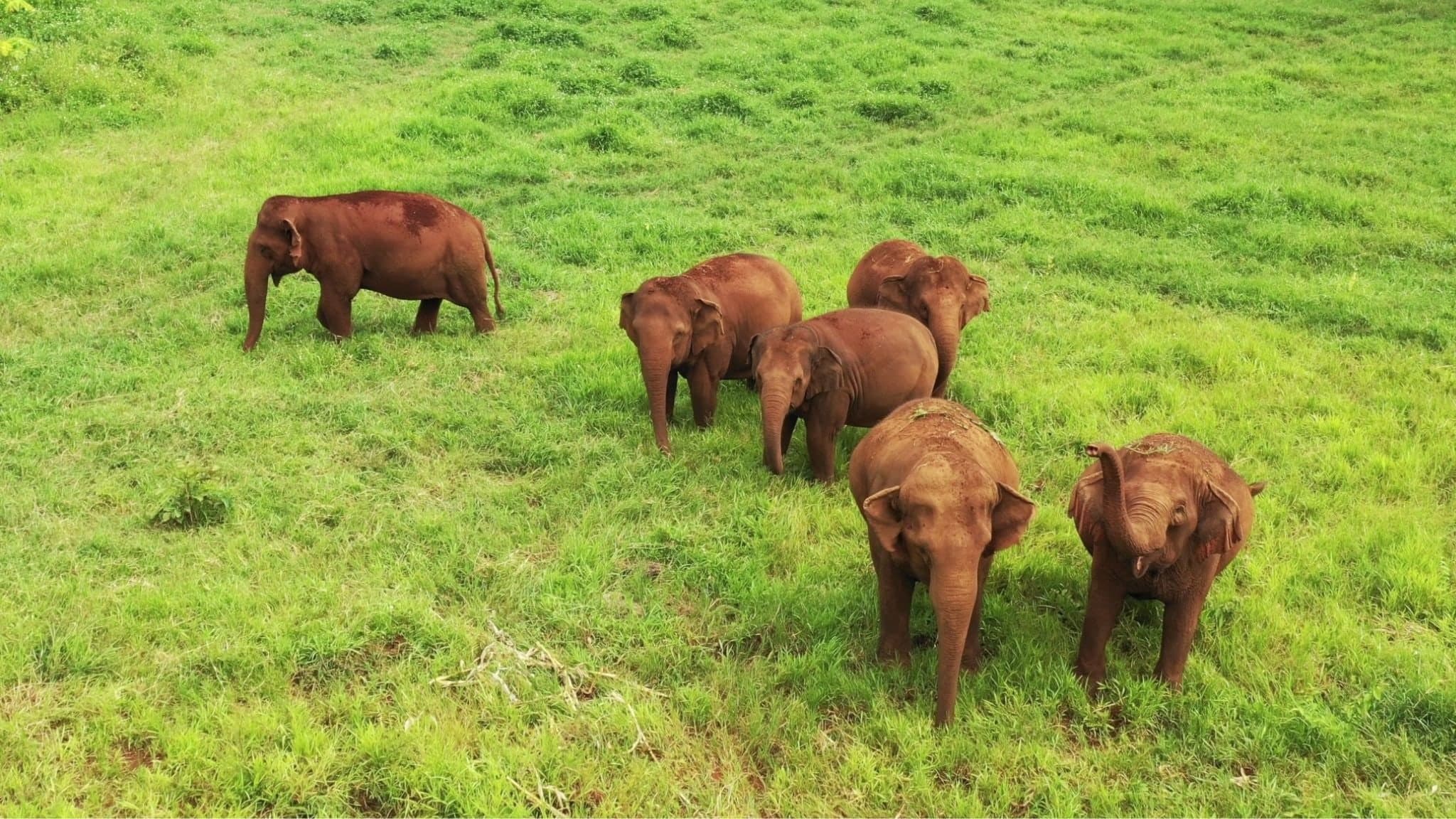
Non-seasonal tours run normally, and the November weather makes them more comfortable. The cooler, clearer air is ideal for a full-day Doi Inthanon trek, a Karen hill-tribe elephant sanctuary day, or a Thai cooking class when the markets are at their freshest. Browse the full adventure tour range if you want to build a day-trip around the festival week.
Book the full-day Doi Inthanon trekPeak November weather, clear skies, hotel pickup includedInternal reading worth your time:
- Best time to visit Chiang Mai — full month-by-month
- Yi Peng and Loy Krathong 2026 — practical guide
- Chiang Mai in December — peak-season trade-offs
- Is Chiang Mai worth visiting in 2026?
For Yi Peng dates and event official information, the Tourism Authority of Thailand Yi Peng page (accessed 2026-05-25) publishes the year's announced dates and major event venues. For weather data, the Thai Meteorological Department historical archive has the daily figures for Chiang Mai.
Frequently asked questions
Is November rainy in Chiang Mai?
Not really, by Thai standards. The official rainy season ends in mid to late October. November averages 4 to 6 rainy days for the month, almost all in the first week, and most of those are short afternoon showers rather than full-day rain. The latter half of November is essentially dry. By contrast, October averages 16 rainy days and December averages 1 to 2. November is the transition month — book the back half if you can pick dates.
Is Yi Peng (Loy Krathong) in November?
Yes. Yi Peng and Loy Krathong are two distinct but co-occurring festivals on the full moon of the 12th lunar month, which falls in November almost every year. In 2026 the festival peaks on November 24 to 26. Yi Peng is the northern Thai lantern festival (the sky lanterns you've seen in photos). Loy Krathong is the floating-flower-basket water festival, celebrated nationwide. Chiang Mai is the place to be for both — the rest of Thailand does Loy Krathong but Yi Peng is northern-specific.
Are the crowds bad in November?
Mostly manageable, with one sharp peak. The festival week (around Yi Peng) is the busiest week of the year — hotels at 90%+ occupancy, restaurants take reservations only, songthaew prices spike. The other three weeks of November are cooler than December and quieter than December. The first two weeks specifically are arguably the best two weeks of the Chiang Mai calendar — peak weather, low crowds, normal pricing. Book early for the festival week, easy for everything else.
Are tours running normally in November?
Yes, all of them. Elephant sanctuaries, cooking classes, day-treks, golf, Doi Inthanon — all operate at full capacity through November. The only weather-affected product is the bamboo-raft rivers around Mae Wang and Mae Taeng, which can still be running high in the first week from late-October rains but are normal by mid-month. Tour operators (us included) prefer November bookings because conditions are predictable and the air is at its best.
Frequently asked questions
Is November rainy in Chiang Mai?
Not really, by Thai standards. The official rainy season ends in mid to late October. November averages 4 to 6 rainy days for the month, almost all in the first week, and most of those are short afternoon showers rather than full-day rain. The latter half of November is essentially dry. By contrast, October averages 16 rainy days and December averages 1 to 2. November is the transition month — book the back half if you can pick dates.
Is Yi Peng (Loy Krathong) in November?
Yes. Yi Peng and Loy Krathong are two distinct but co-occurring festivals on the full moon of the 12th lunar month, which falls in November almost every year. In 2026 the festival peaks on November 24 to 26. Yi Peng is the northern Thai lantern festival (the sky lanterns you've seen in photos). Loy Krathong is the floating-flower-basket water festival, celebrated nationwide. Chiang Mai is the place to be for both — the rest of Thailand does Loy Krathong but Yi Peng is northern-specific.
Are the crowds bad in November?
Mostly manageable, with one sharp peak. The festival week (around Yi Peng) is the busiest week of the year — hotels at 90%+ occupancy, restaurants take reservations only, songthaew prices spike. The other three weeks of November are cooler than December and quieter than December. The first two weeks specifically are arguably the best two weeks of the Chiang Mai calendar — peak weather, low crowds, normal pricing. Book early for the festival week, easy for everything else.
Are tours running normally in November?
Yes, all of them. Elephant sanctuaries, cooking classes, day-treks, golf, Doi Inthanon — all operate at full capacity through November. The only weather-affected product is the bamboo-raft rivers around Mae Wang and Mae Taeng, which can still be running high in the first week from late-October rains but are normal by mid-month. Tour operators (us included) prefer November bookings because conditions are predictable and the air is at its best.