Yes — for most travellers planning four days or more, Chiang Mai earns its spot. The honest qualifications: skip February to early April for the burning-season air, expect Nimman to feel busier and pricier than 2018 forum posts suggest, and add a day-trip or 2-night side trip if you want the trip to feel full. Below is the calibrated take, including who it doesn't suit.
What's actually different about Chiang Mai vs three years ago?
Three things shifted noticeably: Nimman became a coffee and co-working district, burning season got worse on average, and Yi Peng tightened on lantern-release rules.
A lot of the Chiang Mai content online is recycled from 2018 to 2019 trip reports. Three real changes since then:
- Nimman's character. The neighbourhood north of the Old City moat used to be student housing, secondhand bookshops, and a handful of cafés. It is now the densest concentration of specialty coffee, co-working, and concept retail in northern Thailand. Coffee that was ฿60 in 2019 is ฿120 to ฿180 in 2026. Long-stay rents in the Nimman core have climbed roughly 25% since 2020.
- Burning season severity. The agricultural and forest burning that affects northern Thailand from late January through April has trended worse on a 5-year rolling average, not better. The 2025 season had several days where Chiang Mai topped global PM2.5 league tables.
- Yi Peng festival rules. The November lantern festival now has stricter release zones and dates. The free-for-all of releasing khom loi from anywhere in the Old City is over — most legal releases are at organised events at Mae Jo, Doi Saket, or the river.
The Old City temples, the night markets, the Sunday Walking Street, the day-trip elephant infrastructure — all essentially unchanged.
Who is Chiang Mai a great fit for?
Travellers wanting a slower base, families with kids 6 to 14, digital nomads on the DTV visa, ethical-traveller types, and food-curious people who like regional Thai over international.
The city rewards a specific posture. You arrive, drop into a rhythm of cooler-than-Bangkok mornings, a temple or two, a long lunch, an afternoon coffee, a market evening. Repeat for four days, mix in a day-trip. The traveller types this lands well for:
- Families. Old City is walkable. Cooking classes accept kids. Ethical elephant sanctuaries are genuinely educational. Crime affecting tourists is near zero. Hospital and pharmacy quality is high (Bangkok Hospital Chiang Mai and Chiang Mai Ram are international standard).
- Digital nomads. The Thai DTV (Destination Thailand Visa) introduced in 2024 is friendly to remote workers. Co-working membership runs ฿2,500 to ฿5,000 a month. Fibre internet is fast and cheap.
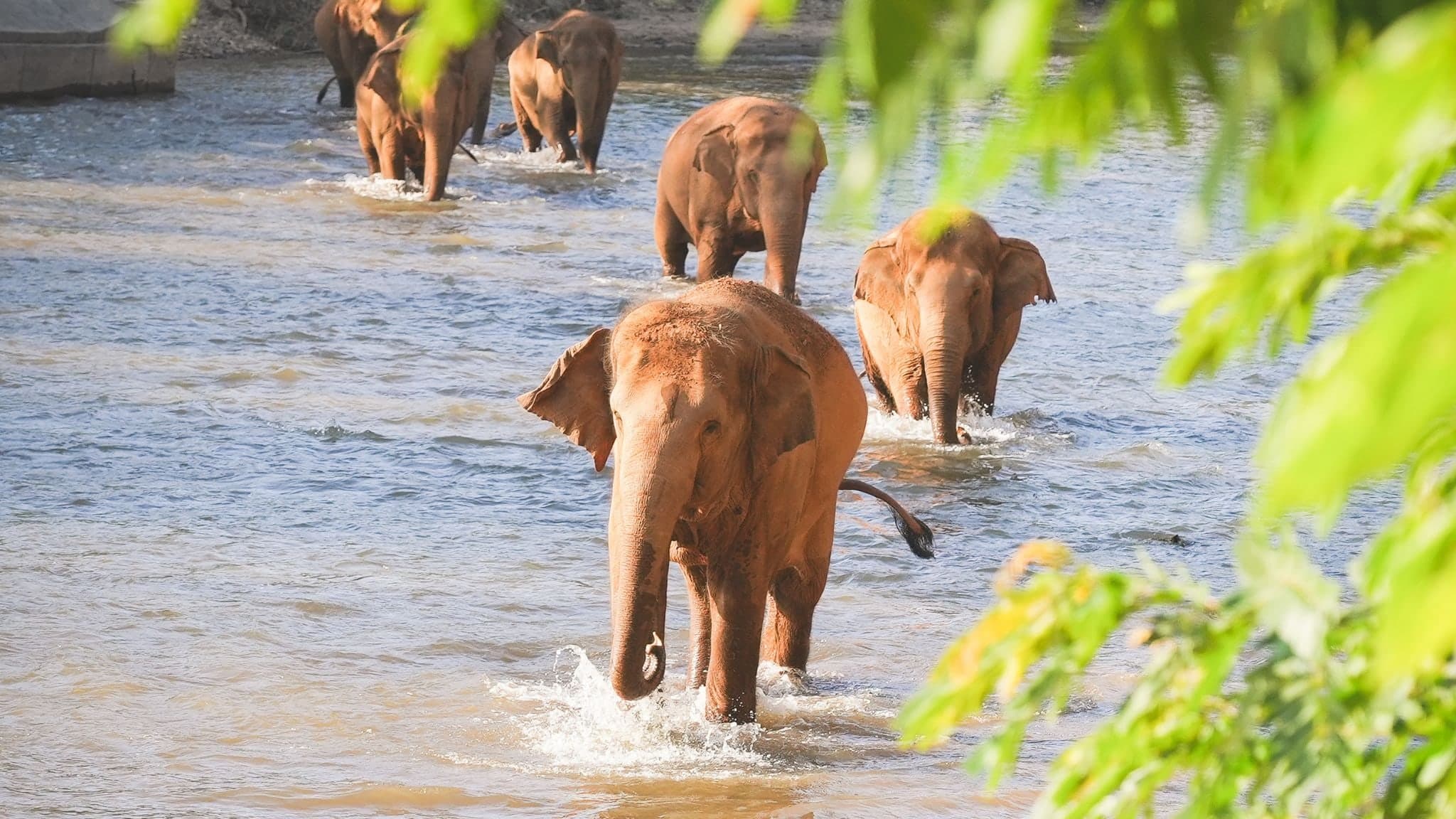
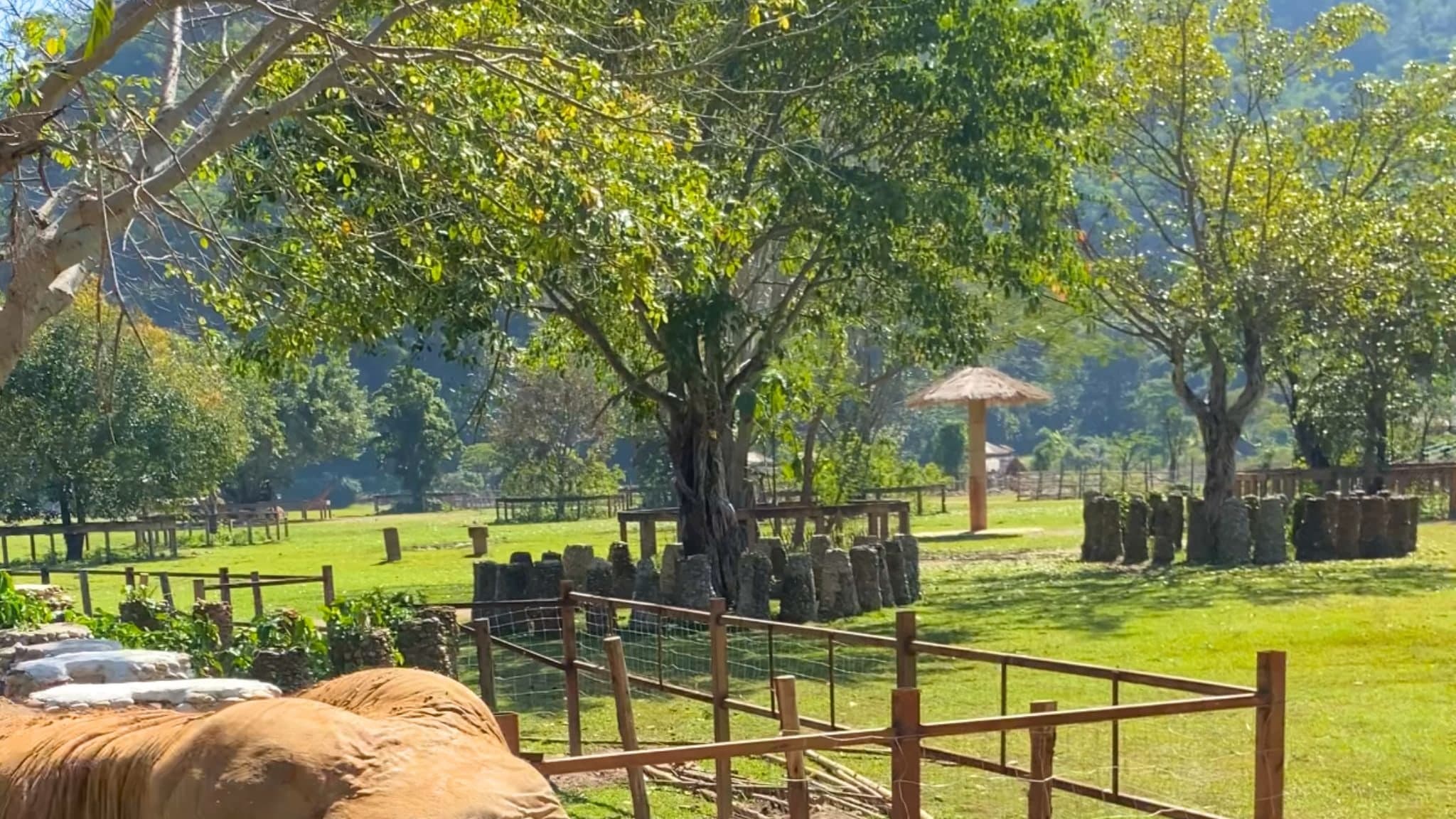
- Ethical-leaning travellers. Chiang Mai has the highest concentration of genuinely retired-elephant sanctuaries in Thailand, several food-rescue projects, and an active community of locally-owned tour operators.
- Foodies. Khao soi, sai oua, hill-tribe ingredients, the Sunday market's stall food, the high-end omakase scene at Blackitch and similar. Regional, not international.
Who shouldn't bother coming?
Travellers who want big-city energy, beach holidays, or luxury city-break density. Chiang Mai is not that.
We say this regularly to guests and they appreciate the honesty. Chiang Mai will frustrate:
- People who want a high-density city break. The 24-hour Bangkok rhythm doesn't exist. Last food orders in most Nimman restaurants are 21:30. Rooftop bars exist but they close by midnight on weekdays.
- Beach-holiday travellers. Closest beach is a 90-minute flight (Phuket, Krabi). Don't try to combine.
- Luxury travellers who want a Soho House, an Aman, and rotating Michelin pop-ups every night. The luxury segment exists but it's small. Four Seasons Mae Rim and 137 Pillars are excellent. Beyond those two, it's mid-range premium.
- Travellers with severe respiratory conditions visiting February to April. This is non-negotiable. Don't book those months if you have asthma or COPD.
How does Chiang Mai compare to Bangkok?
Cooler, slower, smaller, cheaper, less English. Bangkok is bigger in every dimension; Chiang Mai trades intensity for liveability.
| Dimension | Chiang Mai | Bangkok |
|---|---|---|
| High-season daytime temp | 26–30°C dry | 31–34°C humid |
| Walkable city core | Old City + Nimman, ~3 km | Sukhumvit, Silom — none walkable end-to-end |
| Mid-range hotel (Old City vs Sukhumvit) | ฿1,800–฿3,500 | ฿2,800–฿5,500 |
| Coffee at a specialty spot | ฿100–฿180 | ฿140–฿260 |
| English signage | Heavy in tourist areas, light elsewhere | Heavy citywide |
| Days to feel 'finished' | 4–6 with side trips | 5–7 |
| Food character | Regional Lanna + tourist Thai | Pan-Thai + international |
| Burning-season air problem | Feb–early April | Minor, occasional |
The split most travellers end up at: 2 to 3 nights Bangkok for the city-fix, 4 to 6 nights Chiang Mai for the slower base, plus a beach if time allows.
What does Chiang Mai cost in 2026 really?
A mid-range trip for two is ฿4,500 to ฿7,500 per day all-in, excluding flights. Backpacker can do ฿1,500 per person solo. Higher-end ฿15,000 plus.
The trip is materially cheaper than Bali, Vietnam's Hanoi, or Tokyo, and roughly on par with Penang. Where you save vs Bangkok: hotels (-30%), transport (-50% because Grabs are short), coffee (-15%). Where Chiang Mai costs the same: imported wine, Western breakfast, brand-name skincare.
What's actually overrated in Chiang Mai?
Sunday Walking Street is overrated for anyone who has done Asian night markets before. Doi Suthep's mid-day rush is overrated. The tiger temple and any "tiger encounter" is to be avoided entirely.
In order of overratedness:
- Tiger encounter venues. Any place selling photos with sedated tigers. Skip on ethics.
- Mid-day Doi Suthep. Beautiful temple, but 11:00 to 14:00 is wall-to-wall tour buses. Go at 07:00 or 16:30 instead. The view from the platform is the payoff and only works in clear weather.
- Sunday Walking Street. Atmospheric for an hour, repetitive after that. The same crafts repeat 200 stalls. Saturday Wualai is smaller and better. The bigger problem is that the street closes the surrounding lanes to motor traffic and getting around the Old City after 17:00 on Sunday is annoying.
- The "Grand Canyon" jet-skis at Hang Dong. Picturesque in photos, the experience is queuing on a hot platform.
What's underrated in Chiang Mai?
Sankamphaeng craft villages, Doi Inthanon at dawn, the Wualai silver temple after dark, and the slow ride to Mae Hong Son.
The high-payoff things that don't show up on top-10 listicles:
- Sankamphaeng silver, lacquer, and textile village. A 30-minute songthaew east of the city. Active workshops, not gift shops. You can watch sterling silver bowls being hammered.
- Doi Inthanon dawn. The summit is 2,565 m, the highest in Thailand. At 07:00 it's 8°C, cloud-line below you, the twin chedis lit gold. Go for the morning, not the waterfalls.
- Wat Sri Suphan ("the silver temple") at 19:00. Lit from inside, the embossed silver walls catch the light. Most of the tour-bus traffic has cleared.
- The slow Mae Hong Son loop. Three to five days, your own scooter or a hired car. 1,864 curves and some of the best scenery in Thailand.
Is the food really that different from Bangkok?
Yes, materially. Chiang Mai's regional cuisine is Lanna — northern Thai with Burmese and Yunnanese threads — and the everyday menus are not the dishes you'll find on a Sukhumvit street.
Three dishes you'll see daily in Chiang Mai and rarely in Bangkok:
- Khao soi. Curry noodle soup with crispy noodles on top. Chicken or beef. ฿70 to ฿130 a bowl.
- Sai oua. Northern Thai herb sausage, fennel-and-makrut-lime-leaf forward. Eaten with sticky rice.
- Nam prik ong / nam prik noom. Two northern chilli dips. Tomato-pork and roasted-young-chilli respectively. Served with vegetables and pork rind.
The "Thai food" most foreigners learned in their home cities — pad thai, green curry, tom yum — is on every menu here but is not really the local cuisine. If you eat one Bangkok-style meal a day and one northern meal a day, you'll cover the range.
So is it worth visiting or not — final call?
For most travellers planning four or more days in northern Thailand, yes, comfortably. For travellers wanting beach-plus-luxury or big-city density, no — go somewhere else and don't squeeze Chiang Mai in for two nights.
The trip rewards a specific kind of attention. Slower, less programmed, more food and walking, less list-ticking. If that matches your travel style, Chiang Mai is one of the highest-value-per-day destinations in Southeast Asia in 2026. If your travel style is high-density bucket-list, the city will frustrate you and we'd genuinely rather you visit Bangkok or Hoi An instead.
Book the Karen elephant sanctuary daySmall groups, ethical hill-tribe camp, hotel pickupInternal reading worth your time:
- Best time to visit Chiang Mai — month-by-month
- Chiang Mai vs Bangkok — which fits your trip?
- Is Chiang Mai cheap in 2026? A cost breakdown
- Chiang Mai scams to avoid in 2026
For visitor-arrival data, the Tourism Authority of Thailand statistical portal (accessed 2026-05-25) publishes provincial arrival figures. For air-quality history, IQAir's Chiang Mai page tracks the burning-season pattern across years.
Frequently asked questions
Has Chiang Mai changed a lot since 2020?
Yes, in three measurable ways. Nimman has gone from a quiet university neighbourhood to the highest-density café and co-working district in the city, and prices there have climbed roughly 40% on coffee and 25% on rent. Tourist volume in 2025 was about 85% of 2019 peak, so it feels busy but not full. Burning season (Feb to early April) is acknowledged as a problem now in a way it wasn't in 2019. The Old City temple core looks essentially the same.
Is Chiang Mai overrun with tourists in 2026?
It depends what you compare it to. Compared to peak Bangkok or Phuket, no. Compared to 2018 Chiang Mai, slightly yes in Nimman and the Sunday Walking Street. The Old City temples are quieter than people fear — Wat Phra Singh at 08:00 still feels like an active religious site. The bottleneck moments are the Yi Peng lantern festival in November, the New Year week, and the few Saturday evenings on Wualai. Plan around those and the city absorbs the rest.
Is the air quality still bad?
It is, but it is also seasonal and predictable in a way most reporting misses. February to early April is genuinely difficult, with daily PM2.5 readings often above 100 µg/m³ and sometimes above 200. May to January is fine. Most days in the high season (November to January) the AQI sits in the green-to-moderate band. If you have asthma or are travelling with young children, avoid the burning months — pick November or December instead.
Is Chiang Mai boring after 3 days?
For some travellers, yes. The city core is small. After the major temples, a cooking class, a night market and an elephant day-trip, you've covered the postcard. The remaining 3 to 5 days reward people who slow down — coffee crawls, a Mae Hong Son loop, a 2-day trek, a Sankamphaeng craft-village day. If you want a Bangkok-density city break with new neighbourhoods every day, Chiang Mai will frustrate you by day four.
Is Chiang Mai better for families or for digital nomads?
Both, but for different reasons. Families get an outsized payoff: low cost, walkable Old City, ethical elephant sanctuaries, hands-on cooking classes, almost no crime, and the airport is small enough that arrivals and departures don't ruin a day. Digital nomads get the highest concentration of co-working spaces per capita in Thailand, sub-200 Mbps fibre, and 90-day visa-friendly DTV. Backpackers also do well. The audience that gets least value is luxury travellers who want city-break density.
Should I pick Chiang Mai or Bangkok?
If you have one week and want one base, Chiang Mai. If you have three weeks and want big-city energy plus a slower second leg, Bangkok then Chiang Mai. Chiang Mai is cooler (literally — daily highs are 3 to 5°C lower in dry season), greener, slower, cheaper, and the food is regional rather than international. Bangkok has more nightlife, more rooftop bars, more international flights and more variety. Most repeat visitors to Thailand end up preferring Chiang Mai by year three.
Frequently asked questions
Has Chiang Mai changed a lot since 2020?
Yes, in three measurable ways. Nimman has gone from a quiet university neighbourhood to the highest-density café and co-working district in the city, and prices there have climbed roughly 40% on coffee and 25% on rent. Tourist volume in 2025 was about 85% of 2019 peak, so it feels busy but not full. Burning season (Feb to early April) is acknowledged as a problem now in a way it wasn't in 2019. The Old City temple core looks essentially the same.
Is Chiang Mai overrun with tourists in 2026?
It depends what you compare it to. Compared to peak Bangkok or Phuket, no. Compared to 2018 Chiang Mai, slightly yes in Nimman and the Sunday Walking Street. The Old City temples are quieter than people fear — Wat Phra Singh at 08:00 still feels like an active religious site. The bottleneck moments are the Yi Peng lantern festival in November, the New Year week, and the few Saturday evenings on Wualai. Plan around those and the city absorbs the rest.
Is the air quality still bad?
It is, but it is also seasonal and predictable in a way most reporting misses. February to early April is genuinely difficult, with daily PM2.5 readings often above 100 µg/m³ and sometimes above 200. May to January is fine. Most days in the high season (November to January) the AQI sits in the green-to-moderate band. If you have asthma or are travelling with young children, avoid the burning months — pick November or December instead.
Is Chiang Mai boring after 3 days?
For some travellers, yes. The city core is small. After the major temples, a cooking class, a night market and an elephant day-trip, you've covered the postcard. The remaining 3 to 5 days reward people who slow down — coffee crawls, a Mae Hong Son loop, a 2-day trek, a Sankamphaeng craft-village day. If you want a Bangkok-density city break with new neighbourhoods every day, Chiang Mai will frustrate you by day four.
Is Chiang Mai better for families or for digital nomads?
Both, but for different reasons. Families get an outsized payoff: low cost, walkable Old City, ethical elephant sanctuaries, hands-on cooking classes, almost no crime, and the airport is small enough that arrivals and departures don't ruin a day. Digital nomads get the highest concentration of co-working spaces per capita in Thailand, sub-200 Mbps fibre, and 90-day visa-friendly DTV. Backpackers also do well. The audience that gets least value is luxury travellers who want city-break density.
Should I pick Chiang Mai or Bangkok?
If you have one week and want one base, Chiang Mai. If you have three weeks and want big-city energy plus a slower second leg, Bangkok then Chiang Mai. Chiang Mai is cooler (literally — daily highs are 3 to 5°C lower in dry season), greener, slower, cheaper, and the food is regional rather than international. Bangkok has more nightlife, more rooftop bars, more international flights and more variety. Most repeat visitors to Thailand end up preferring Chiang Mai by year three.