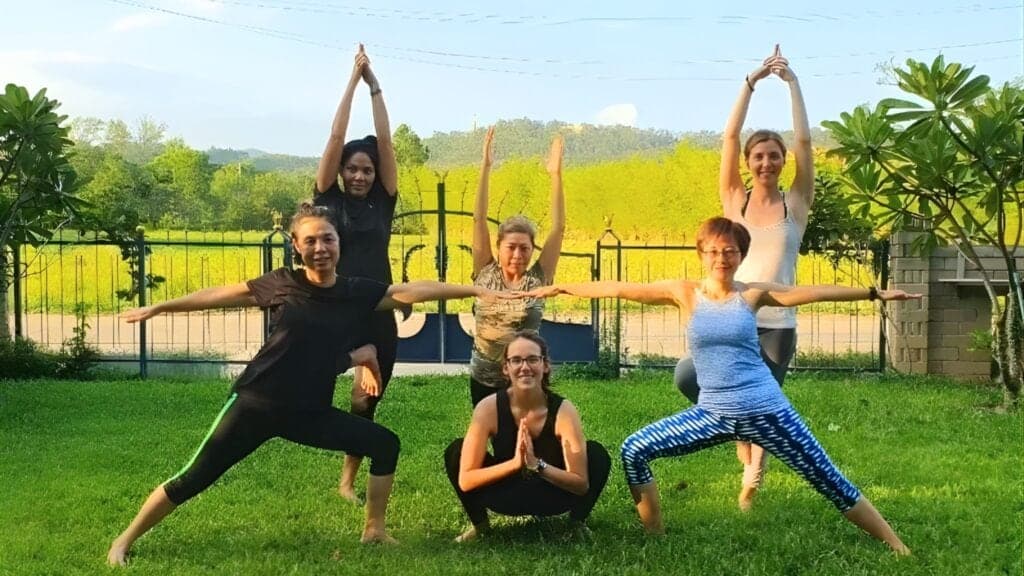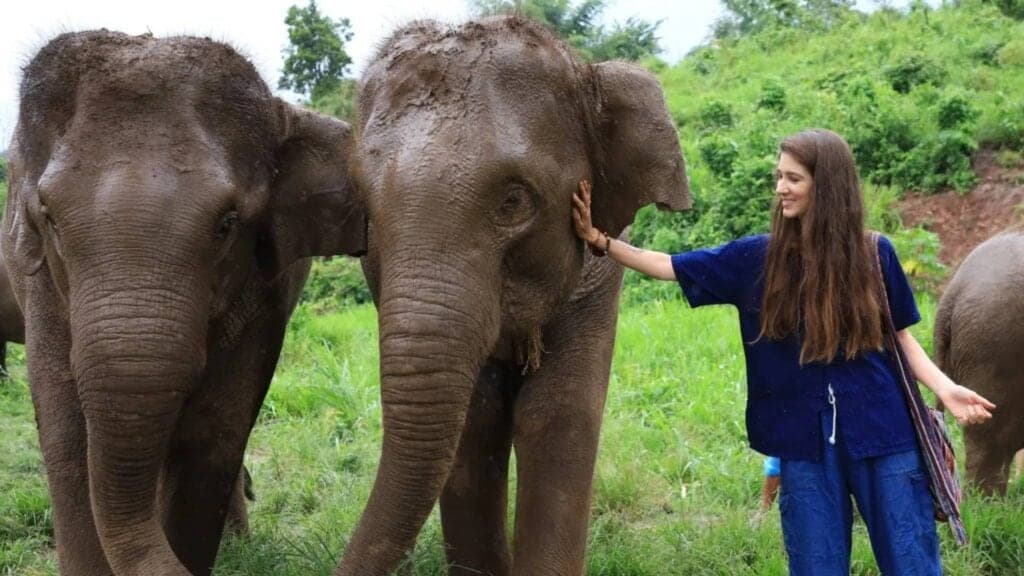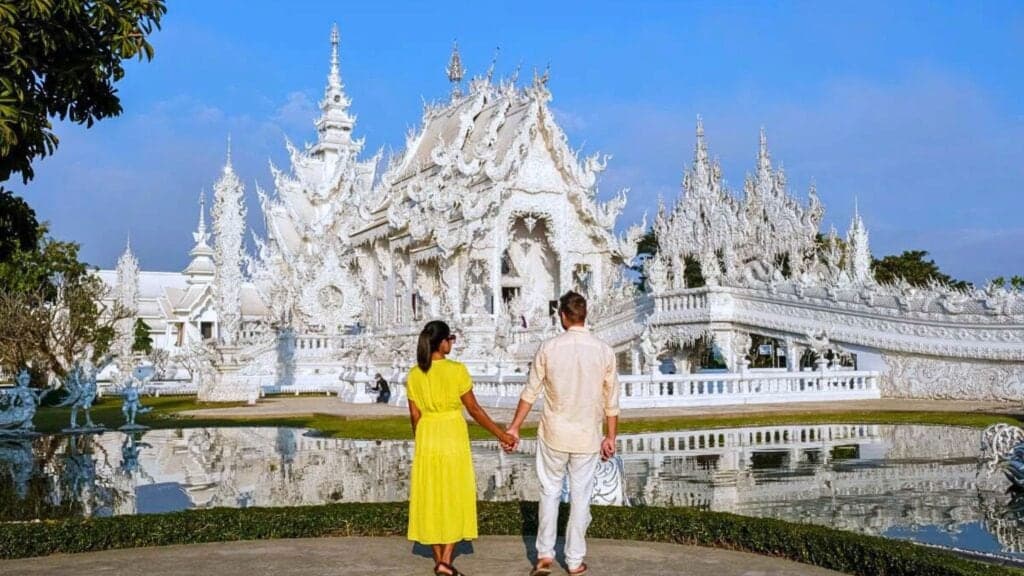
Chiang Mai is the default Northern Thailand base — bigger food scene, deeper day-trip range, more cooking classes, more elephant camps, easier flight connections, and within day-trip range of Chiang Rai's artist temples anyway. Chiang Rai works as a base only if you specifically want a smaller, slower city and you're prioritising the Golden Triangle and Doi Tung over everything else. For 90% of first trips, Chiang Mai is the answer.
Which city should you base in?
Chiang Mai. It's bigger, deeper in every category (food, lodging, day-trips, transport), and Chiang Rai is reachable from Chiang Mai as a 2-night side-trip. The reverse isn't true — Chiang Rai is too small to function as a base for what most travellers came north for.
This is the question we get from travellers who've heard about both cities and aren't sure which deserves the "main base" slot in their trip plan. The decision is structurally lopsided. Chiang Mai is 6x the population, has hundreds more restaurants, dozens more cooking schools, the major regional airport, and proximity to Doi Inthanon (Thailand's highest mountain). Chiang Rai's distinctive assets — the three artist temples, the Golden Triangle, Doi Tung — are reachable from Chiang Mai as a 2-night excursion.
The travellers for whom Chiang Rai-as-base actually works:
- You want a slower, smaller-city pace as your default rhythm.
- You're prioritising the Golden Triangle and the northern border zone.
- You've already done Chiang Mai on a previous trip.
- You're crossing into Laos via the Friendship Bridge.
For everyone else, Chiang Mai is the right pick.
What's the food scene difference?
Chiang Mai's food scene is materially deeper. 14+ standout vegetarian and vegan restaurants, hundreds of Northern Thai spots, a major coffee culture, all regional Thai cuisines represented. Chiang Rai is solid for Northern Thai and Chinese-Thai but the depth stops there.
| Category | Chiang Mai | Chiang Rai |
|---|---|---|
| Northern Thai restaurants | Hundreds, multiple standouts | Dozens, a few standouts |
| Cooking classes (English) | 30+ schools | 3–4 schools |
| Vegan/vegetarian spots | 14+ dedicated, deep coverage | 3–5 dedicated |
| Coffee culture (third-wave) | 60+ specialty cafes | 10–15 specialty cafes |
| Western brunch scene | Mature, Nimman dense | Limited |
| Night bazaar food | Sunday Walking Street + Night Bazaar | Single night bazaar |
For travellers where food is a major trip motivator (which we'd argue should be most travellers in Northern Thailand), Chiang Mai is the only practical base. Chiang Rai has good food, but it doesn't have a food scene.
What about lodging depth?
Chiang Mai has thousands of hotels and guesthouses across every budget tier and neighborhood vibe. Chiang Rai has hundreds, concentrated in a smaller variety of styles.
The Chiang Mai range goes from ฿300 hostel dorms to ฿15,000+ luxury resort suites at the Anantara, Four Seasons, and Six Senses. Boutique guesthouses in the Old City. Modern condos in Nimman. Riverside properties. Long-stay nomad rentals.
Chiang Rai's range is narrower. The high end is the Le Méridien, the Sheraton, and a handful of boutique properties near the river. The mid-tier is straightforward — most are functional Thai business hotels. The budget end is hostels and guesthouses near the night bazaar. Workable for a 2-night visit. Limiting as a longer-stay base.
What's the day-trip range from each?
Chiang Mai's day-trip range covers most of what travellers come north for. Chiang Rai's range is tighter and oriented toward the northern border zone.
Chiang Mai day-trips:
- Doi Suthep (25 minutes, temple half-day)
- Doi Inthanon (90 minutes, national park full day)
- Mae Wang or Mae Taeng elephant camps (1–2 hours)
- Sticky Falls / Bua Tong (45 minutes)
- Mae Kampong village (1 hour, coffee culture)
- Lampang (1.5 hours, temple and ceramic town)
- Chiang Rai (3 hours, possible as long day-trip)
Chiang Rai day-trips:
- Three artist temples (within 30 minutes of city centre)
- Golden Triangle (90 minutes north, where Thailand-Laos-Myanmar meet)
- Doi Tung (60 minutes, Royal Project, gardens)
- Mae Sai border (90 minutes, Myanmar border crossing)
- Doi Mae Salong (90 minutes, Yunnanese Chinese-Thai hilltribe village)
The Chiang Mai range is wider and includes the elephant camps, which most travellers consider essential. The Chiang Rai range is denser around the border zone — useful if that's your specific interest.
What about transport and flights?
Chiang Mai International Airport (CNX) handles 12+ million passengers a year with direct flights to most Asian capitals. Chiang Rai International Airport (CEI) handles ~2 million with mostly Bangkok-only direct service.
Between the two cities: 3-hour drive via Highway 118, ฿200 minivan, ฿800 VIP bus, ฿2,500–฿3,500 private car. No train. Domestic flights exist but the 50-minute flight time becomes 3+ hours door-to-door once you add airport transfers.
Is Chiang Rai ever the right base?
Yes — for travellers prioritising the Golden Triangle, doing a Mekong River crossing, or wanting a smaller-city pace as their default rhythm. Also for return travellers who've already covered Chiang Mai.
The Golden Triangle case: if your trip's headline is the three-country viewpoint, the Hall of Opium museum, and the Mekong River cruise, Chiang Rai is 90 minutes closer than Chiang Mai. Saves an hour each direction on that day. If you're still basing in Chiang Mai, you can fold the temples and the river together on a full-day Chiang Rai and Golden Triangle boat trip.
The Mekong crossing case: travellers entering Laos via the Friendship Bridge at Huay Xai cross from Chiang Khong, 2 hours from Chiang Rai. Basing in Chiang Rai for 2 nights pre-crossing makes sense.
The small-city pace case: some travellers genuinely prefer a slower default rhythm. Chiang Rai delivers that. The market scene, the riverside walks, the evening pace are all softer than Chiang Mai.
The return-traveller case: if you spent 10 days in Chiang Mai last year, basing in Chiang Rai for a Northern Thailand return trip gives you a different lens on the region.
What about a split itinerary?
For 10+ day trips, split: 5–7 nights in Chiang Mai, 2–3 nights in Chiang Rai. This is the most common structure for travellers who want both cities. Add Pai (2 nights) or Mae Hong Son (3 nights) for longer trips.
| Trip length | Recommended structure |
|---|---|
| 5 days | Chiang Mai only. Skip Chiang Rai. |
| 7 days | Chiang Mai only, or 5+2 with a Chiang Rai day-trip option |
| 10 days | 5 Chiang Mai + 2 Chiang Rai + 2 Pai + 1 buffer |
| 14 days | 6 Chiang Mai + 3 Chiang Rai + 3 Pai + 2 buffer / beach add-on |
| 18+ days | Full Mae Hong Son loop + Chiang Rai + base time |
The 10-day version is the sweet spot for travellers wanting both cities without exhausting themselves. The 7-day version forces a choice — pick Chiang Mai and treat Chiang Rai as a possible side day.
The bottom line
Base in Chiang Mai. It's bigger, deeper, better-connected, and Chiang Rai is reachable as a 2-night excursion if you want it. The travellers who should consider Chiang Rai as a base — Golden Triangle focused, Mekong River crossers, slower-pace seekers, return travellers — are a minority. For 90% of first Northern Thailand trips, Chiang Mai is the right base and Chiang Rai is a 2-night side-trip.
See the Chiang Rai temples day-trip from Chiang MaiWhite Temple, Black House, Blue Temple, plus Golden Triangle add-onFurther reading:
- Chiang Rai day-trip from Chiang Mai: planning guide
- Chiang Mai vs Bangkok: which to base in for Thailand
Outbound references:
- Tourism Authority of Thailand — Chiang Mai region
- Tourism Authority of Thailand — Chiang Rai region
- Airports of Thailand — CNX statistics
Frequently asked questions
Is Chiang Rai smaller than Chiang Mai?
Yes, significantly. Chiang Rai city has roughly 200,000 residents; Chiang Mai metro has 1.2 million. The day-trip range, food scene depth, and accommodation variety reflect that scale gap. Chiang Mai has hundreds of cafes, dozens of cooking schools, and the largest English-functional tourist infrastructure outside Bangkok. Chiang Rai has maybe 30 standout cafes, a handful of cooking classes, and tourist infrastructure built around its three artist temples. For a base, Chiang Mai is the more practical pick unless you specifically want Chiang Rai's smaller-town pace.
Is Chiang Mai's food scene better?
Yes, by a wide margin. Chiang Mai's food range covers Northern Thai classics (khao soi, sai oua, nam prik ong), pan-Thai (every regional cuisine represented), 14+ standout vegetarian and vegan spots, Western brunch culture, and a deep coffee scene. Chiang Rai has solid Northern Thai food and good local Chinese-influenced spots near the night bazaar, but the depth is fundamentally smaller. If food matters to your trip planning, Chiang Mai is the obvious pick. Chiang Rai's food highlights are mostly accessible as side-trips from Chiang Mai.
Which is closer to Mae Hong Son?
Chiang Mai, by a wide margin. The standard Mae Hong Son Loop (Chiang Mai → Mae Hong Son → Pai → back to Chiang Mai) is roughly 600km and runs through Chiang Mai. Reaching Mae Hong Son from Chiang Rai requires either a long backtrack or driving the northern route through Mae Sai and the border zones — slow and not commonly done. If your trip includes Mae Hong Son, base in Chiang Mai. Chiang Rai works better as a separate northern overnight, not as part of the Mae Hong Son loop.
What's the day-trip range from each?
Chiang Mai's day-trip range covers Doi Inthanon (90 min south), Doi Suthep (25 min west), elephant camps (1–2 hours), Sticky Falls (45 min), Mae Kampong village (1 hour), and as a stretch, Chiang Rai (3 hours). Chiang Rai's range is tighter: Golden Triangle (1.5 hours north), Doi Tung (1 hour), Mae Sai border (1.5 hours), and the three artist temples within 30 minutes of the city centre. Chiang Mai's range is wider, deeper, and includes most of what you came north for.
Frequently asked questions
Is Chiang Rai smaller than Chiang Mai?
Yes, significantly. Chiang Rai city has roughly 200,000 residents; Chiang Mai metro has 1.2 million. The day-trip range, food scene depth, and accommodation variety reflect that scale gap. Chiang Mai has hundreds of cafes, dozens of cooking schools, and the largest English-functional tourist infrastructure outside Bangkok. Chiang Rai has maybe 30 standout cafes, a handful of cooking classes, and tourist infrastructure built around its three artist temples. For a base, Chiang Mai is the more practical pick unless you specifically want Chiang Rai's smaller-town pace.
Is Chiang Mai's food scene better?
Yes, by a wide margin. Chiang Mai's food range covers Northern Thai classics (khao soi, sai oua, nam prik ong), pan-Thai (every regional cuisine represented), 14+ standout vegetarian and vegan spots, Western brunch culture, and a deep coffee scene. Chiang Rai has solid Northern Thai food and good local Chinese-influenced spots near the night bazaar, but the depth is fundamentally smaller. If food matters to your trip planning, Chiang Mai is the obvious pick. Chiang Rai's food highlights are mostly accessible as side-trips from Chiang Mai.
Which is closer to Mae Hong Son?
Chiang Mai, by a wide margin. The standard Mae Hong Son Loop (Chiang Mai → Mae Hong Son → Pai → back to Chiang Mai) is roughly 600km and runs through Chiang Mai. Reaching Mae Hong Son from Chiang Rai requires either a long backtrack or driving the northern route through Mae Sai and the border zones — slow and not commonly done. If your trip includes Mae Hong Son, base in Chiang Mai. Chiang Rai works better as a separate northern overnight, not as part of the Mae Hong Son loop.
What's the day-trip range from each?
Chiang Mai's day-trip range covers Doi Inthanon (90 min south), Doi Suthep (25 min west), elephant camps (1–2 hours), Sticky Falls (45 min), Mae Kampong village (1 hour), and as a stretch, Chiang Rai (3 hours). Chiang Rai's range is tighter: Golden Triangle (1.5 hours north), Doi Tung (1 hour), Mae Sai border (1.5 hours), and the three artist temples within 30 minutes of the city centre. Chiang Mai's range is wider, deeper, and includes most of what you came north for.