Northern Thailand is under a flash flood, forest run-off, and landslide watch through early July 2026. Thailand's Department of Disaster Prevention and Mitigation placed 43 provinces, Chiang Mai among them, on alert from 28 June, after the Thai Meteorological Department warned of heavy to very heavy rain across the upper North (Nation Thailand, accessed 3 July 2026).
This is normal green season weather turned up a notch, not a disaster. The city is open. The alert matters most for mountain roads, waterfalls, and rural routes, so here is what a visitor actually needs to know.
What triggered the alert?
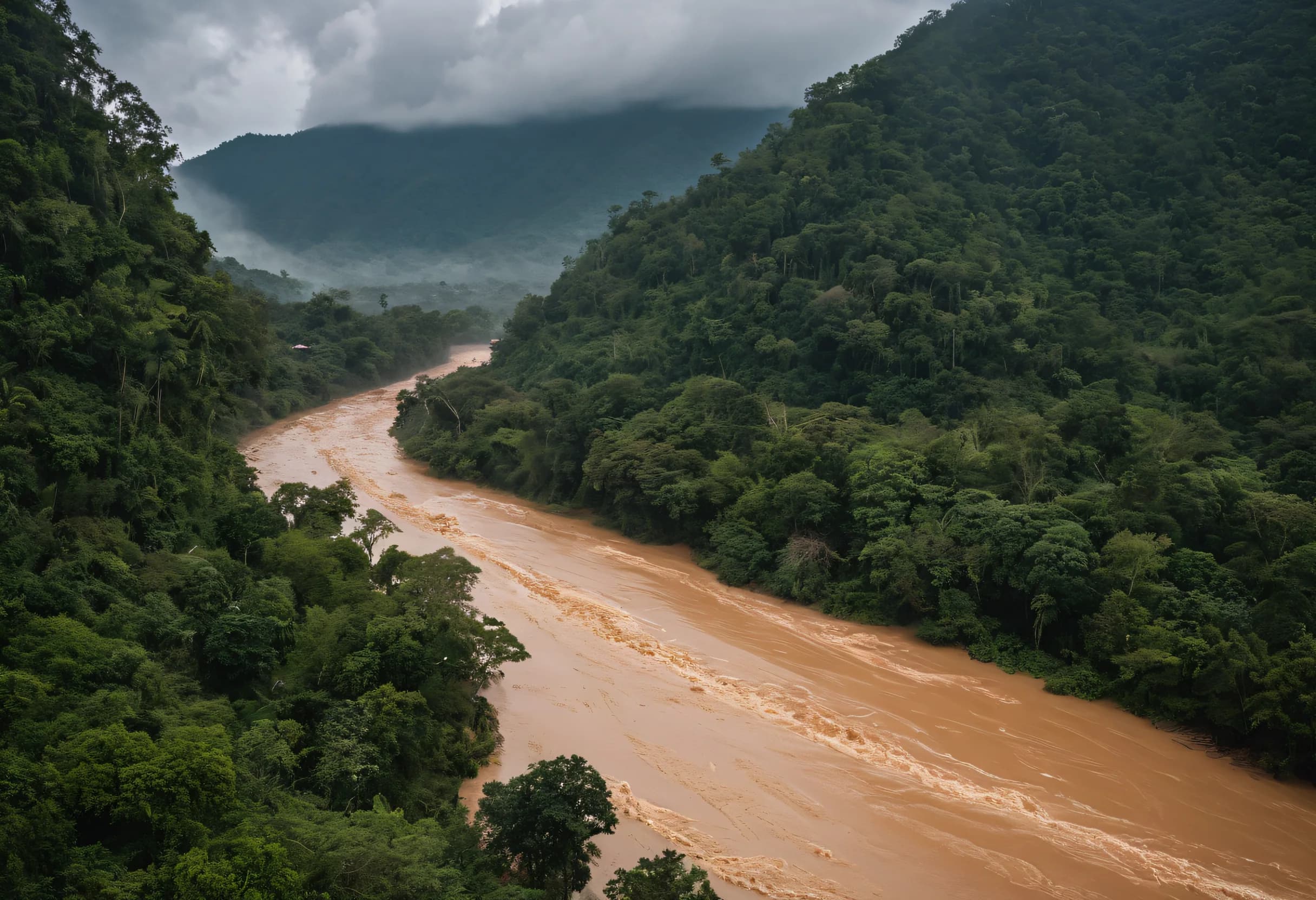
A monsoon trough sitting over northern Thailand met a strengthening southwest monsoon, stacking days of rain onto already saturated ground. On 1 July the Department of Mineral Resources named 13 provinces at landslide risk, driven by soaked hillsides rather than any single storm (Khaosod English, accessed 3 July 2026). Neighbouring Chiang Rai saw flash flood warnings the same week (Chiang Rai Times, accessed 3 July 2026).
Wet ground is the key detail. Once slopes are full, even a moderate afternoon downpour can send run-off across a mountain road.
Is Chiang Mai city affected?
Barely. Rain arrives in short, heavy afternoon and evening bursts, not all day. Low-lying streets near the Ping River, like parts of Chang Khlan, can flood briefly then drain within hours. The Old City, Nimman, temples, and markets keep running as usual. Plan indoor or shaded activity for the wettest afternoon hours.
Which tours are affected, and which are not?
Mountain and waterfall trips need daily judgement. Our full day Doi Inthanon and Kew Mae Pan trekking tour runs on national park roads that can shut after heavy rain, so we check park status each morning and reroute when needed. Water-based trips like our ATV and white water rafting waterfall adventure are at their best now, with rivers running full, but we watch flow levels and stand down when currents turn dangerous.
Lower-risk options stay reliable. A half day Doi Suthep temple and Hmong village tour sits close to the city on a well-maintained road, and a half day Thai cooking class at Siam Garden is fully weatherproof.
What does green season buy a visitor?
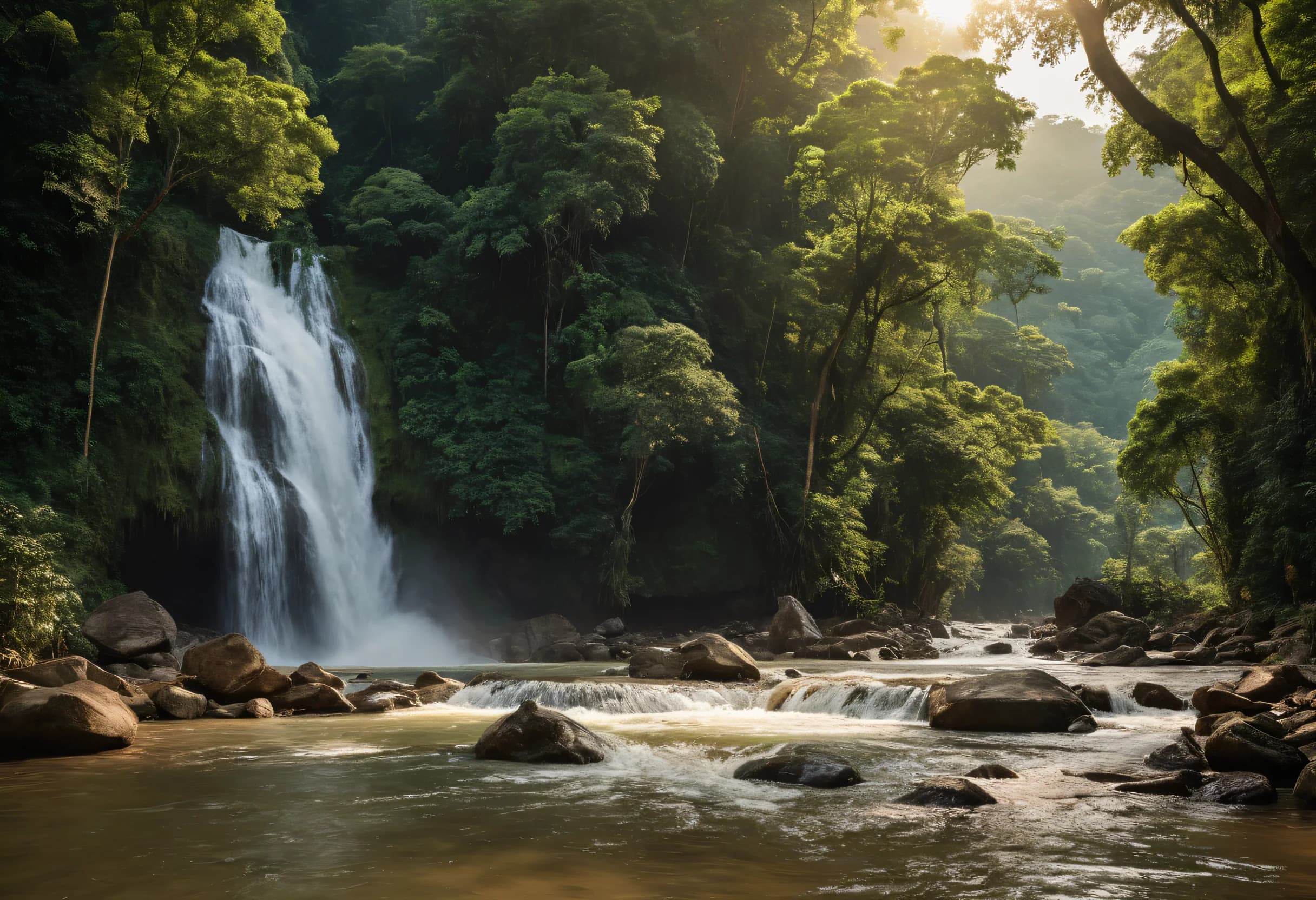
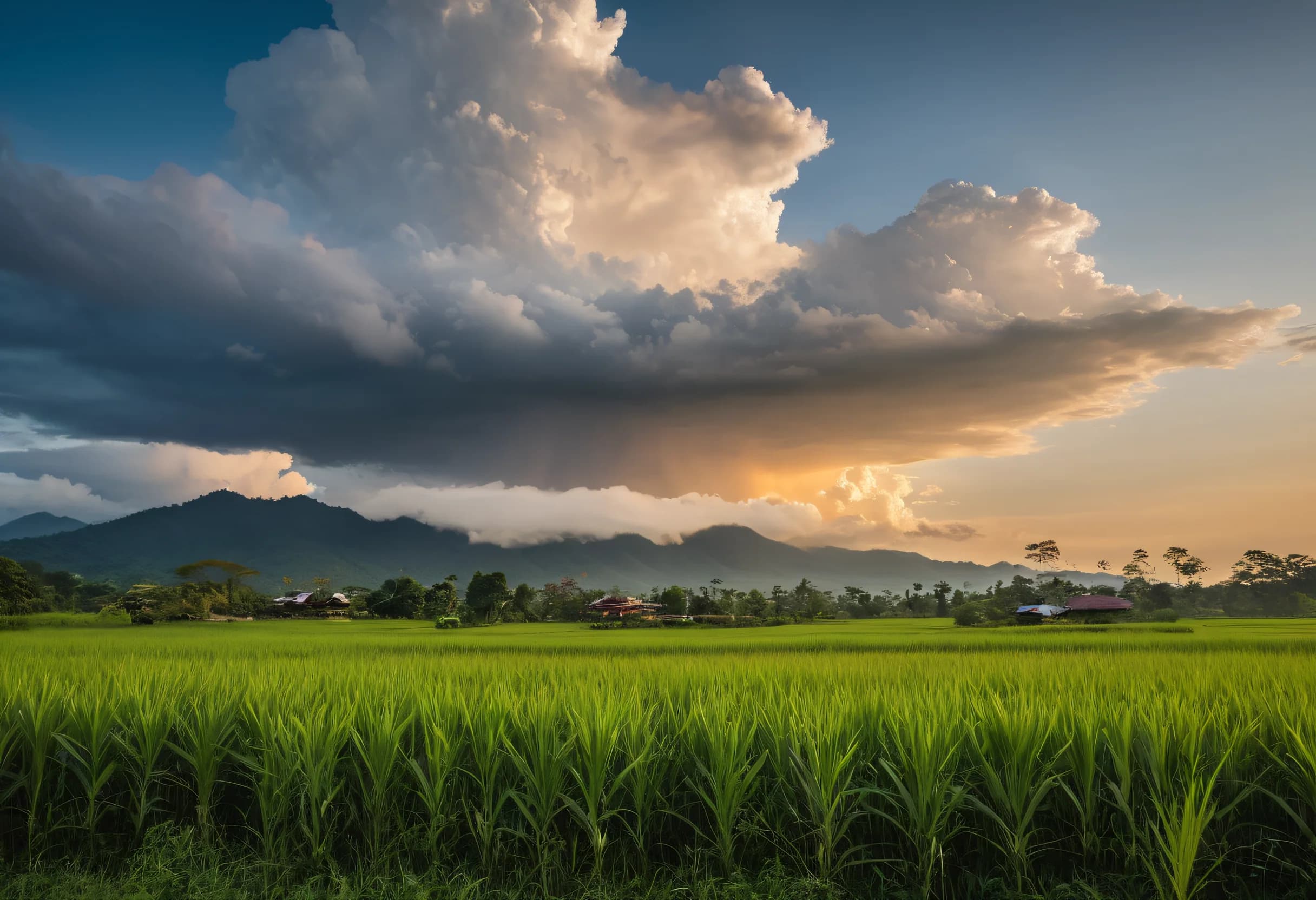
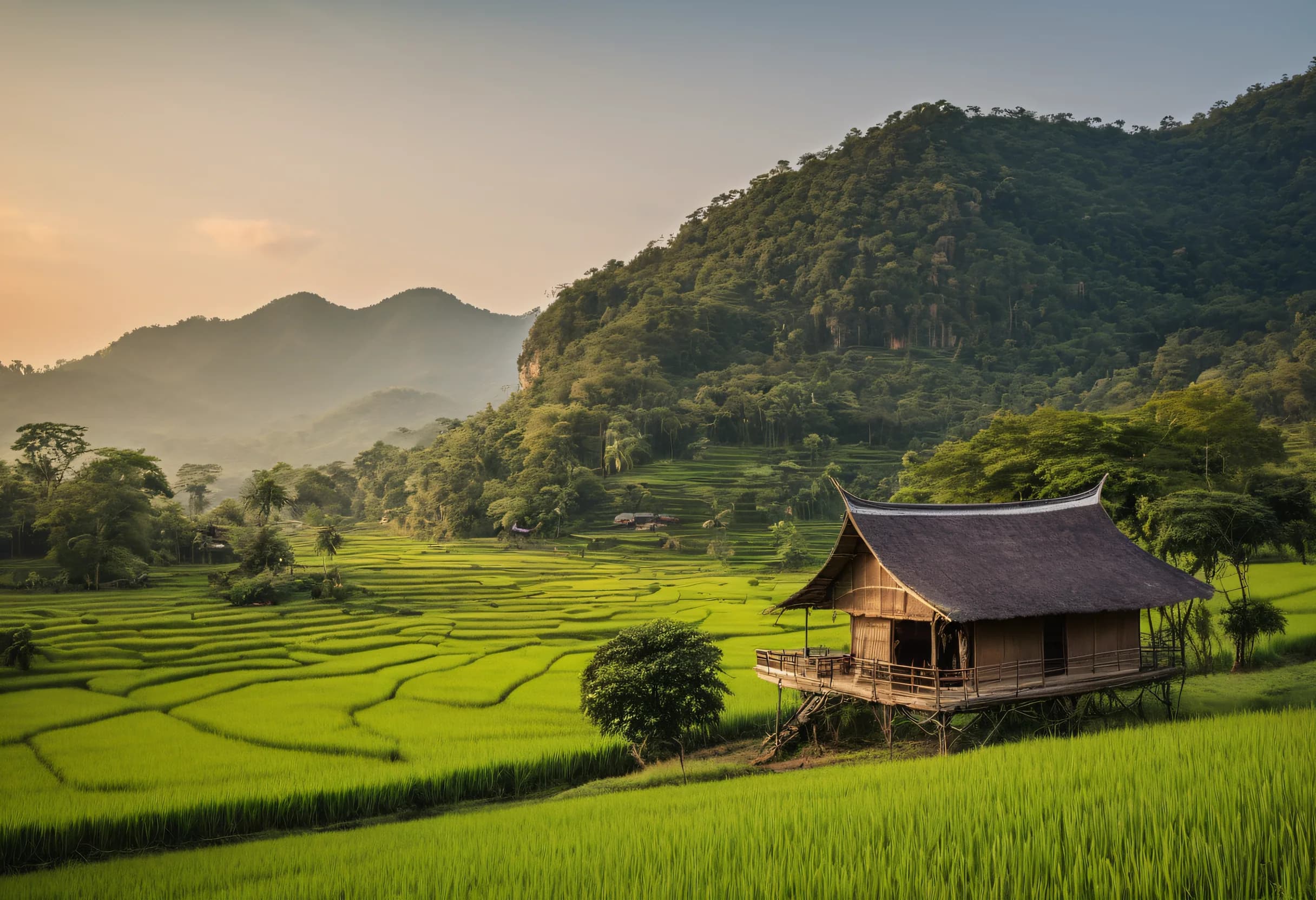
The trade for the weather is a genuinely better Chiang Mai. Waterfalls run at full power, the hills turn deep green, mornings hang with mist, and crowds thin out. Hotels and tours often cost well below peak December rates. Photographers get dramatic skies over the mountains, and popular sites feel calm instead of packed.
How should you plan around it?
Keep it simple. Front-load mountain and outdoor days early in your trip so you have room to reschedule if a road closes. Pair every outdoor plan with an indoor backup, such as a cooking class, temple walk, or market visit. Travel with a licensed local operator who tracks road and park conditions each morning, rather than self-driving on live guesswork. Pack a rain jacket, grippy shoes, a dry bag, and mosquito repellent, since standing water raises dengue risk.
For the official outlook, check the Tourism Authority of Thailand and Thai Meteorological Department updates before mountain days.
Travelling to Chiang Mai this week? Our licensed guides check road, park, and river conditions every morning and adjust your itinerary so you get the mountains and waterfalls at their green season best, safely. Browse our Chiang Mai adventure tours or read the full travel guide.
Frequently asked questions
Is it safe to visit Chiang Mai during the July 2026 flood alert?
The city itself stays open and safe. The alert targets mountain roads, low-lying riverside lanes, and forest run-off zones, not the Old City or central attractions. Most rain falls in short afternoon bursts. Book flexible tours, keep mountain trips early in the day, and follow your guide's call if a road washes out. Urban sightseeing, temples, markets, and food tours carry almost no weather risk.
Are Doi Inthanon and waterfall tours running right now?
Most run, but conditions change daily. National park roads can close for landslide clearing after heavy overnight rain, and waterfall pools run fast and cold. A licensed operator checks road and park status each morning and reroutes or reschedules rather than pushing through a closed section. Solo self-drive visitors face the highest risk because they lack that live local information.
What should I pack for green season mountain trips?
Bring a light rain jacket, quick-dry clothes, closed shoes with grip for wet trails, and a dry bag for your phone and camera. Add mosquito repellent, since standing water raises dengue risk at dawn and dusk. Waterproof your valuables for rafting and waterfall stops. Do not rely on ponchos alone on steep trails, where footing matters more than staying dry.
Frequently asked questions
Is it safe to visit Chiang Mai during the July 2026 flood alert?
The city itself stays open and safe. The alert targets mountain roads, low-lying riverside lanes, and forest run-off zones, not the Old City or central attractions. Most rain falls in short afternoon bursts. Book flexible tours, keep mountain trips early in the day, and follow your guide's call if a road washes out. Urban sightseeing, temples, markets, and food tours carry almost no weather risk.
Are Doi Inthanon and waterfall tours running right now?
Most run, but conditions change daily. National park roads can close for landslide clearing after heavy overnight rain, and waterfall pools run fast and cold. A licensed operator checks road and park status each morning and reroutes or reschedules rather than pushing through a closed section. Solo self-drive visitors face the highest risk because they lack that live local information.
What should I pack for green season mountain trips?
Bring a light rain jacket, quick-dry clothes, closed shoes with grip for wet trails, and a dry bag for your phone and camera. Add mosquito repellent, since standing water raises dengue risk at dawn and dusk. Waterproof your valuables for rafting and waterfall stops. Do not rely on ponchos alone on steep trails, where footing matters more than staying dry.