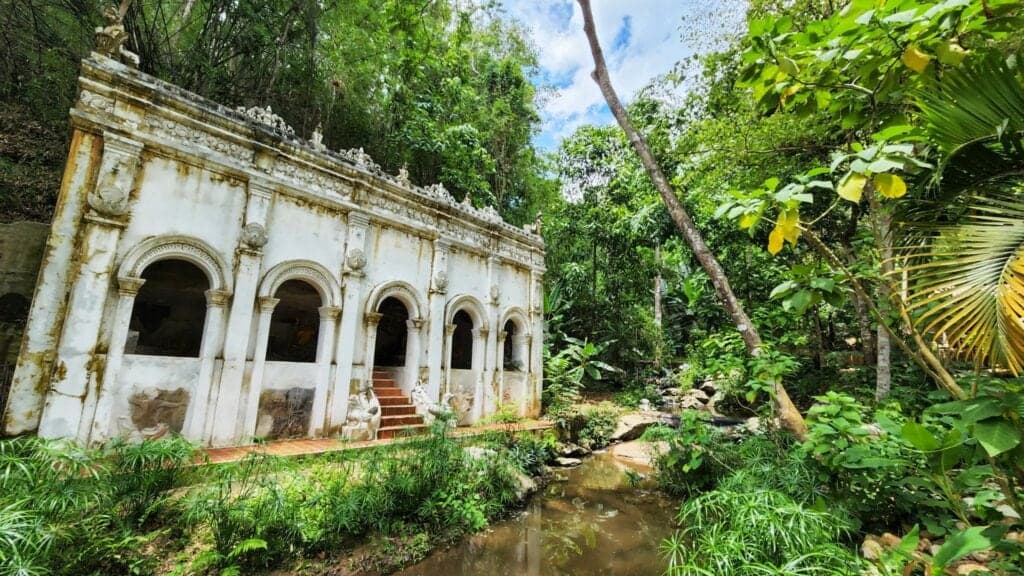
Chiang Mai's burning season is over, and as of early June 2026 the city's air is back in the Good range, with green season now underway. After months of dry-season smoke haze, the skies have cleared, the landscape has turned green, and visitor crowds and prices have both dropped. For travelers weighing a Northern Thailand trip right now, the conditions are some of the friendliest of the year.
Has the smoke haze actually cleared?
Yes. Chiang Mai's annual burning season, which clouds the valley with agricultural and forest smoke, typically runs from roughly February to mid-April. Local reporting confirms "Chiang Mai's polluted season behind us" with the city visible "beneath noticeably cleaner skies" (Chiang Mai CityNews, accessed 5 June 2026). Live monitoring backs this up: the city's Air Quality Index has been holding in the Good band, frequently in the low 30s (IQAir Chiang Mai, accessed 5 June 2026). That means clear mountain views, comfortable breathing, and no need for a mask on most days.
What is the green season really like?
Green season, also called low or rainy season, runs June through October. June rain is gentle by Southeast Asian standards: most days bring just one or two short showers of 30 to 60 minutes, usually in the afternoon or evening, with clear mornings and nights (Thailand Highlights, accessed 5 June 2026). Temperatures sit around 24 to 32 degrees Celsius. The rain washes the air, the rice terraces and forest turn vivid green, and the tourist crush of the November to February high season is gone.
Are the waterfalls worth it right now?
This is the standout reason to come in green season. Rain swells the rivers, so the region's falls run at peak power. Bua Tong, the famous Sticky Waterfall you can climb, plus Wachirathan and Mae Ya inside Doi Inthanon National Park, all roar in a way the dry months never deliver. Our Bua Thong Sticky Waterfall and cave day and our Day Trip to Doi Inthanon National Park are both at their most dramatic in these conditions. Morning departures are best, ahead of the afternoon showers.
What does this mean for prices and planning?
Green season is the best-value window of the year. Hotels and flights cost noticeably less than the November to February peak, and popular sites are far quieter. The trade-off is rain, which is easy to plan around: book outdoor experiences like our Half Day Elephant Experience at the Karen Hill Tribe Sanctuary for the morning, and keep an indoor option such as a Half Day Thai Cooking Class at Siam Garden ready for a wet afternoon. Pack a light rain jacket and quick-dry shoes, and the weather becomes a non-issue.
Who is green season best for?
Travelers who want clean air, full waterfalls, green scenery, smaller crowds and lower costs, and who can stay flexible around short showers. Photographers, nature lovers and budget-minded visitors do especially well now. If you need guaranteed bone-dry skies for every hour of the day, the cool, dry high season later in the year suits better, but you pay peak prices and share the sights with far more people.
Planning a green-season trip? Our local team builds morning-first itineraries that work around the rain and put you at the waterfalls and viewpoints at their best. Browse our Chiang Mai experiences and reserve your dates.
Frequently asked questions
Is the air clean in Chiang Mai in June 2026?
Yes. The burning season ended around mid-April, and by early June 2026 Chiang Mai's Air Quality Index sits in the Good range, often in the low 30s. Months of smoke haze have cleared, mountain views are sharp again, and outdoor activity is comfortable. Brief monsoon showers keep the air washed and fresh through the green season.
Does the rain ruin a June trip to Chiang Mai?
Rarely. June rain usually arrives as one or two short afternoon or evening bursts lasting 30 to 60 minutes, leaving mornings and nights clear. Plan outdoor tours early, keep a flexible indoor backup such as a cooking class or spa for the afternoon, and pack a light rain layer. Most days stay open and pleasant for sightseeing.
Are Chiang Mai waterfalls better in the green season?
Much better. Rainy season feeds the rivers, so falls like Bua Tong Sticky Waterfall, Wachirathan and Mae Ya at Doi Inthanon run at full force, far stronger than the thin dry-season trickle. The surrounding forest turns deep green. Go early in the day to enjoy the falls before afternoon showers and to avoid slippery late-day trails.
Frequently asked questions
Is the air clean in Chiang Mai in June 2026?
Yes. The burning season ended around mid-April, and by early June 2026 Chiang Mai's Air Quality Index sits in the Good range, often in the low 30s. Months of smoke haze have cleared, mountain views are sharp again, and outdoor activity is comfortable. Brief monsoon showers keep the air washed and fresh through the green season.
Does the rain ruin a June trip to Chiang Mai?
Rarely. June rain usually arrives as one or two short afternoon or evening bursts lasting 30 to 60 minutes, leaving mornings and nights clear. Plan outdoor tours early, keep a flexible indoor backup such as a cooking class or spa for the afternoon, and pack a light rain layer. Most days stay open and pleasant for sightseeing.
Are Chiang Mai waterfalls better in the green season?
Much better. Rainy season feeds the rivers, so falls like Bua Tong Sticky Waterfall, Wachirathan and Mae Ya at Doi Inthanon run at full force, far stronger than the thin dry-season trickle. The surrounding forest turns deep green. Go early in the day to enjoy the falls before afternoon showers and to avoid slippery late-day trails.